Bringing back the witvis to the Berg River
March 11th, 2026Babylonstoren partners with local conservation organisations to reintroduce the endangered Berg-Breede River whitefish.
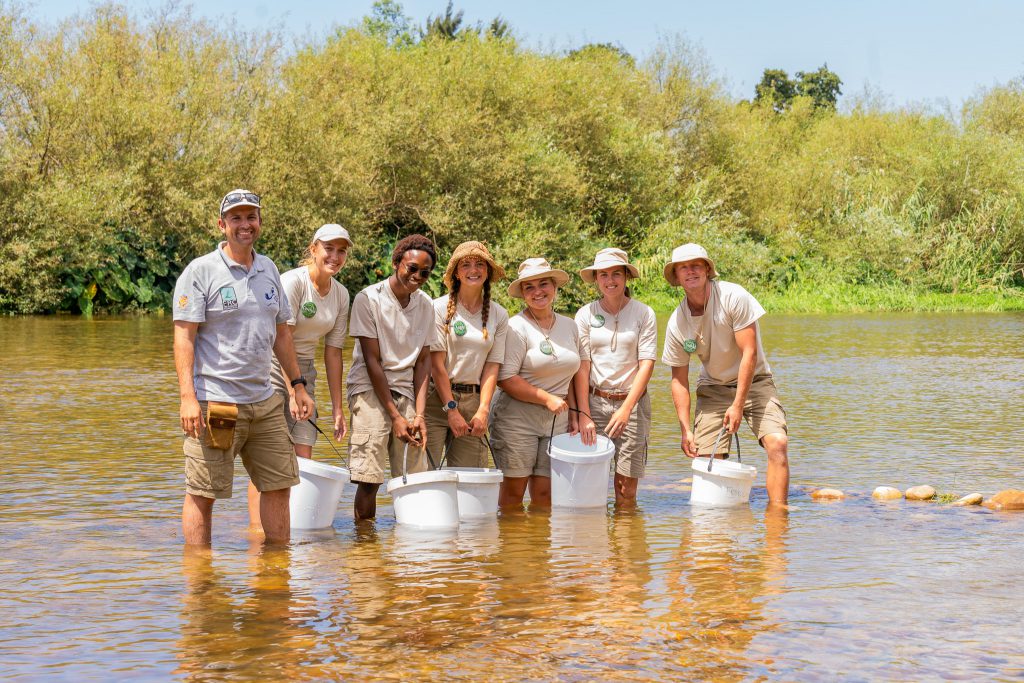
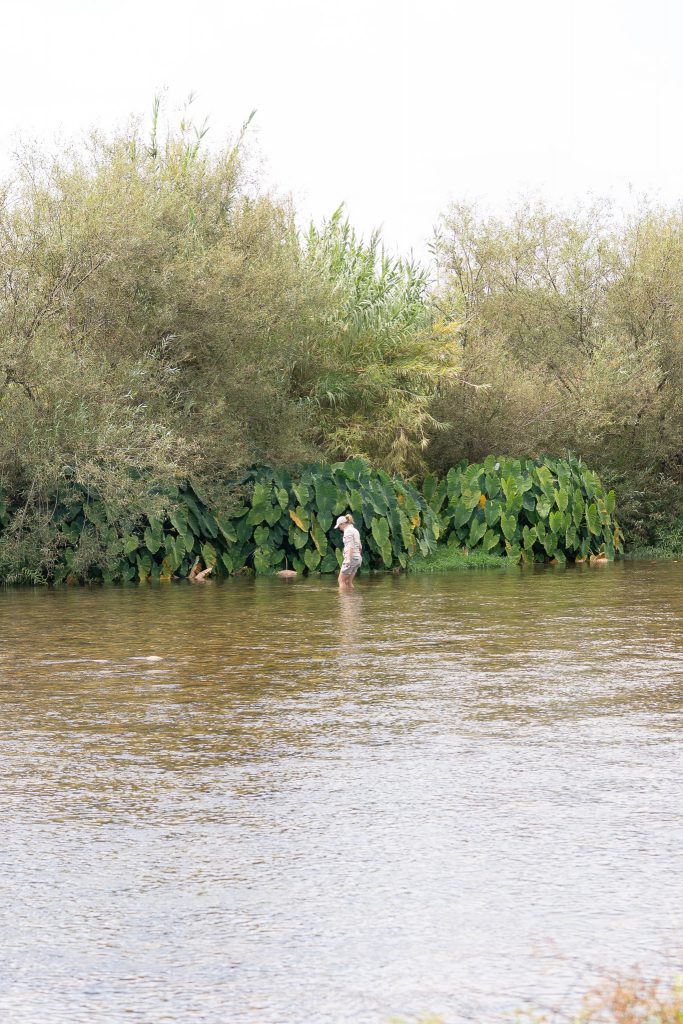
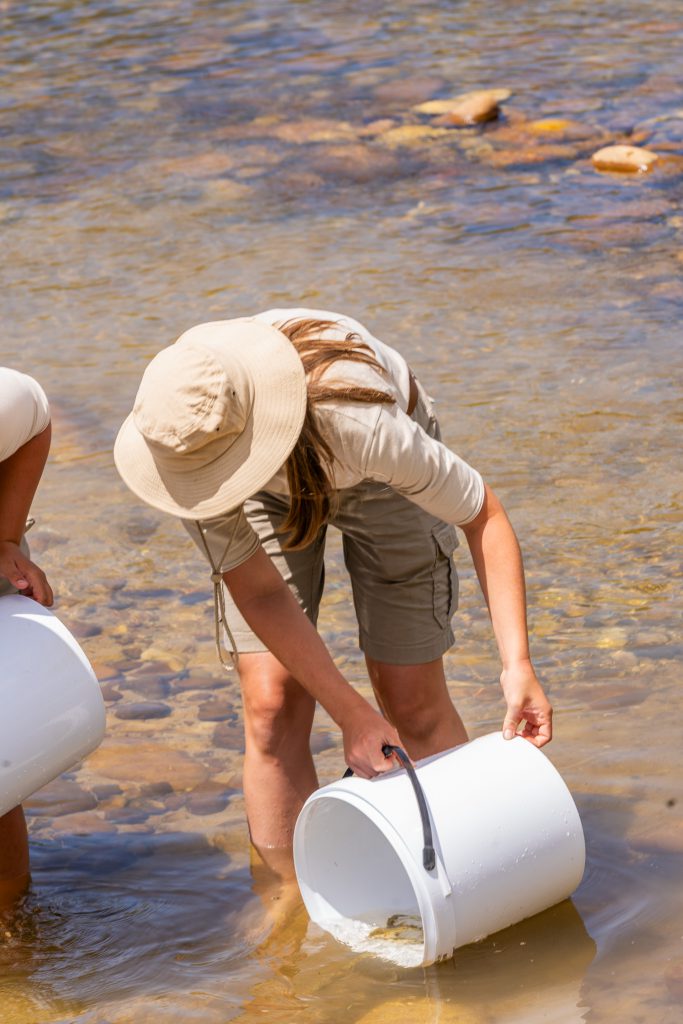
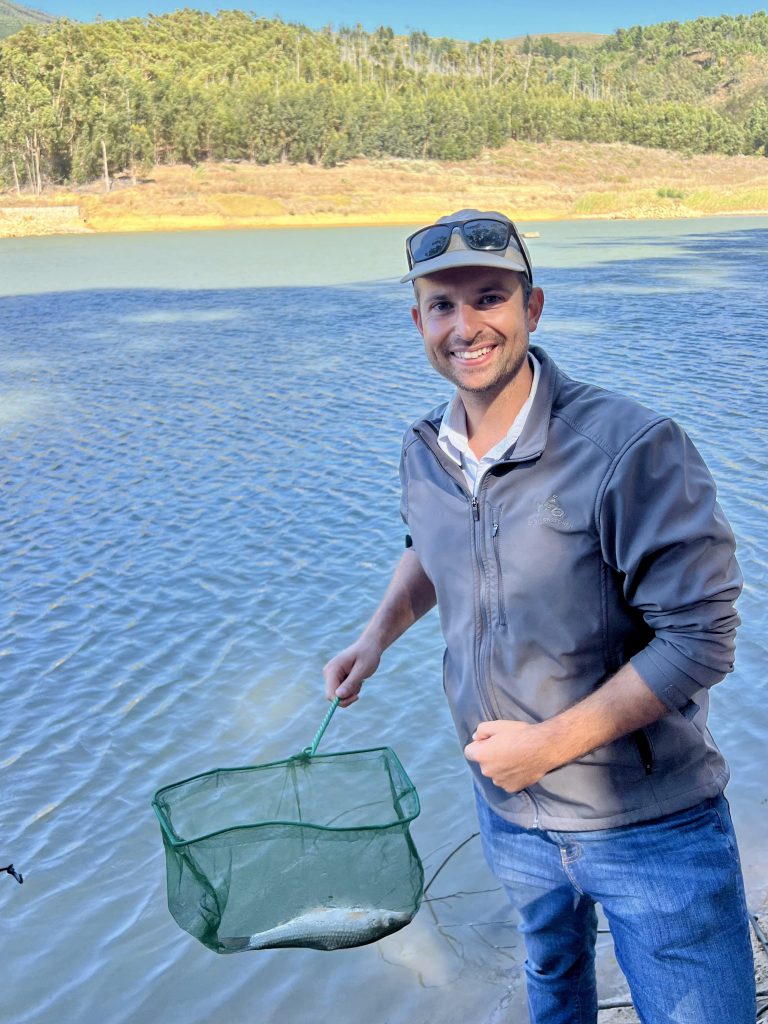
On a bright summer morning in February 2026, something extraordinary happened along the banks of the Berg River. One by one, silver bodies flashed as they slipped from buckets into the current – hundreds of Berg-Breede River witvis released back into waters where they had long disappeared. Many of these fish came from Babylonstoren’s own Bloekombos Dam.
For decades, the Berg River’s indigenous fish populations declined under pressure from invasive species, habitat degradation and poor water quality. The Cape whitefish or witvis (Cheilobarbus capensis) was lost from sections of the river between Franschhoek and Paarl. Today, thanks to a powerful collaboration between conservationists, scientists, government and committed landowners, this iconic fish is swimming in the Berg River once more.
A partnership rooted in action
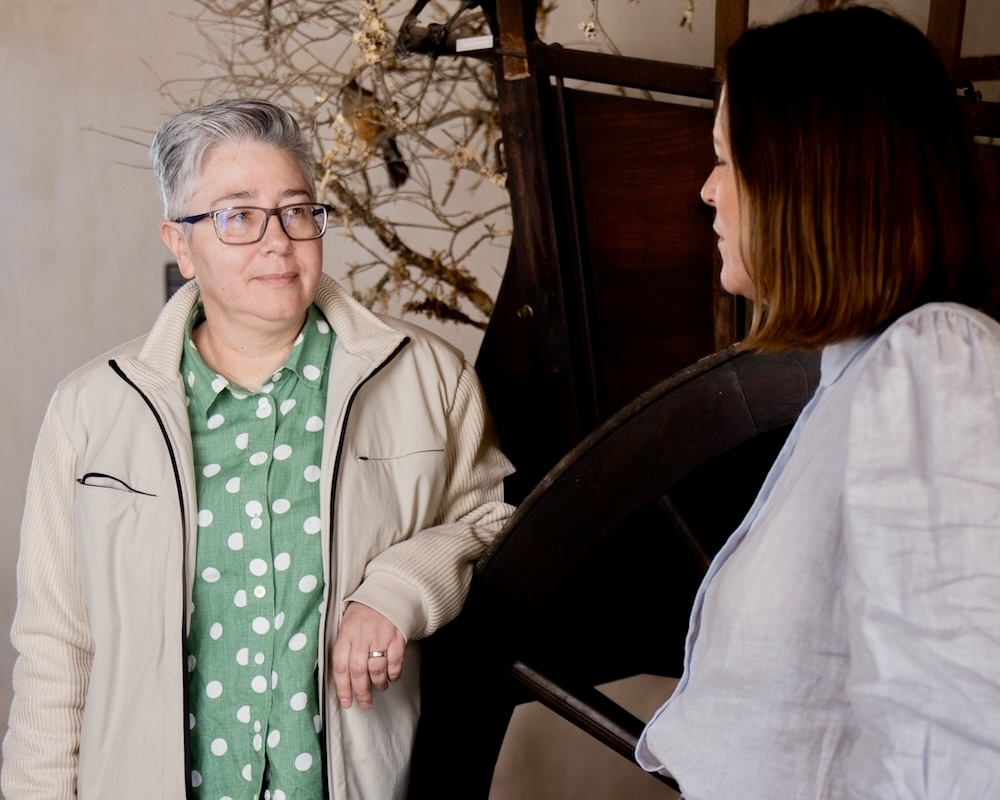
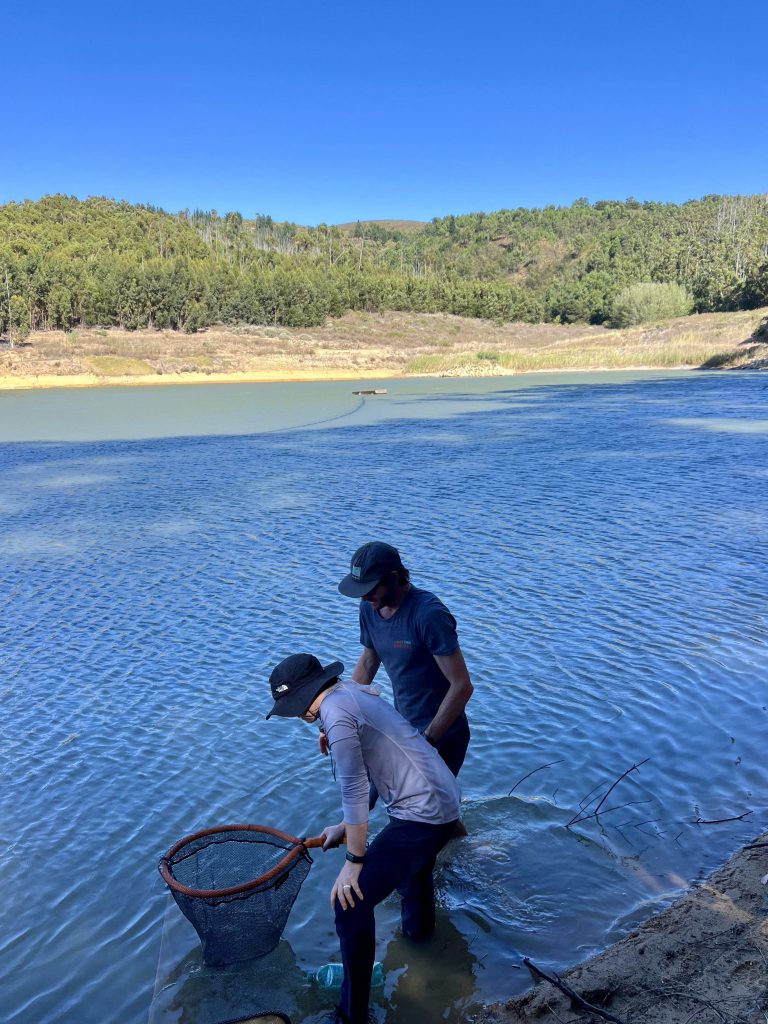
A key team from Babylonstoren, namely Dr Ernst van Jaarsveld, Cornell Beukes and Arné Stander, has been working for several years with the Freshwater Research Centre, the Fynbos Fish Trust, CapeNature and independent conservation partners to rehabilitate the species in the Berg River catchment.
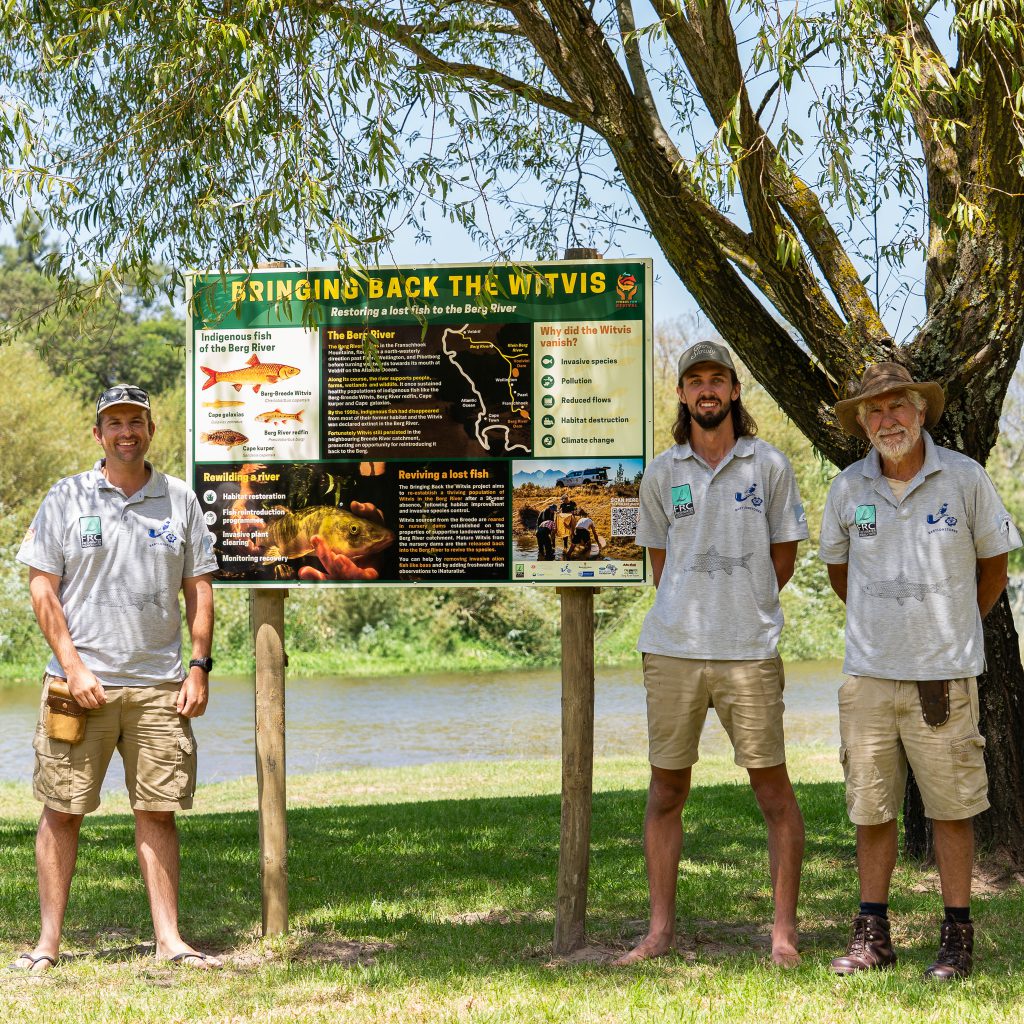
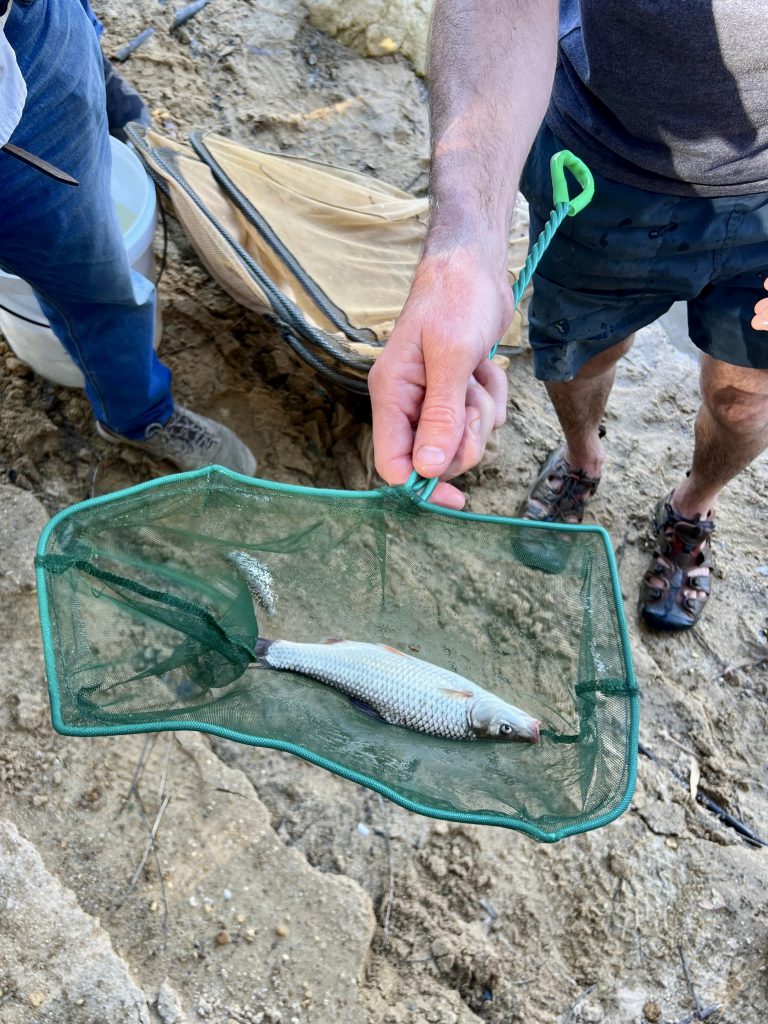
Babylonstoren plays a vital and practical role in the partnership by providing accommodation for researchers and field teams when they are sourcing fish from suitable dams in Slanghoek, Worcester and surrounding areas. Three carefully selected dams on the estate – free of non-native fish species – have been established as secure nursery sites where witvis populations can grow and reproduce safely.
In addition, with the involvement of conservation experts, Babylonstoren secured the necessary permits from CapeNature to stock indigenous fish species in its water bodies. Today, guests can see Cape kurper, Berg River redfin and Cape galaxias thriving in the indigenous pond near the hotel reception. It is a quiet but powerful reminder that conservation begins at home.
The witvis is more than just another freshwater fish. It is a flagship species – powerful, beautiful and an indicator of aquatic ecosystem health. Its return signals that restoration efforts in the catchment are working.
How witvis reintroduction works
Rebuilding a wild population requires patience and precision. The approach is straightforward but carefully managed:
- Establish secure nursery populations in three alien-free dams at Babylonstoren.
- Allow the fish to breed naturally, creating self-sustaining populations.
- Reintroduce juveniles larger than 20 cm – a size considered safe from bass predation – into suitable pools in the Berg River over several years.
- Monitor survival, growth and reproduction in both the dams and the river.
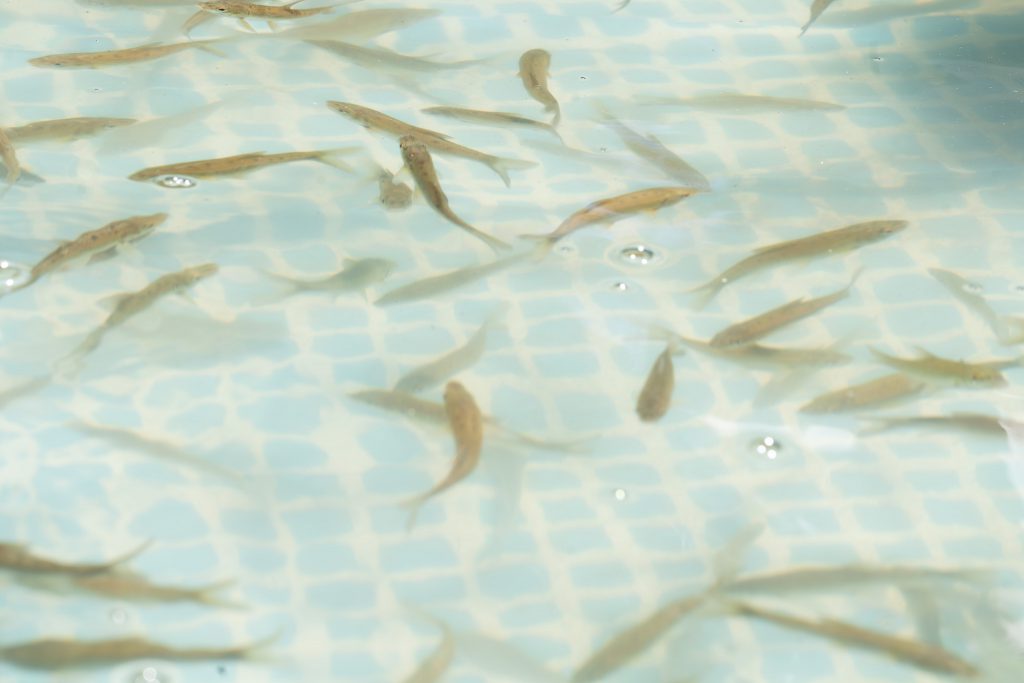
In 2025, the first milestone was reached with the release of 1488 witvis into the Berg River – a historic moment for freshwater conservation in the Western Cape.
Witvis Fees: celebrating a living river
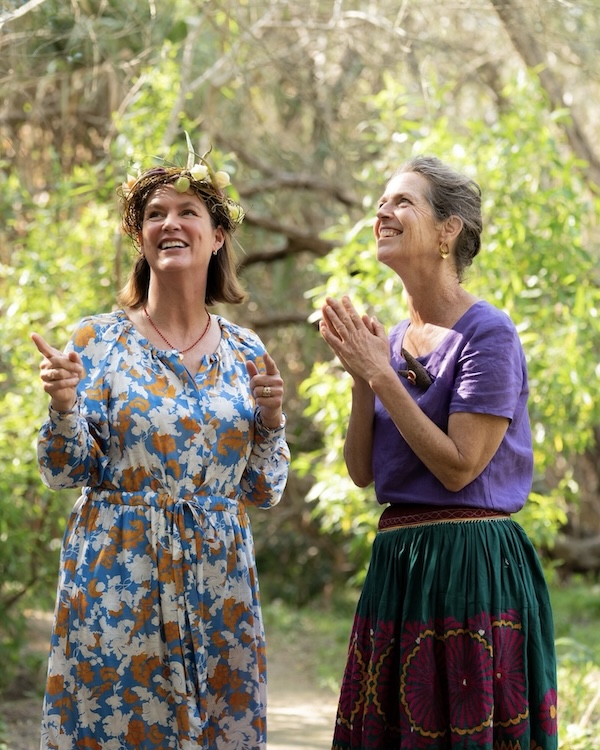
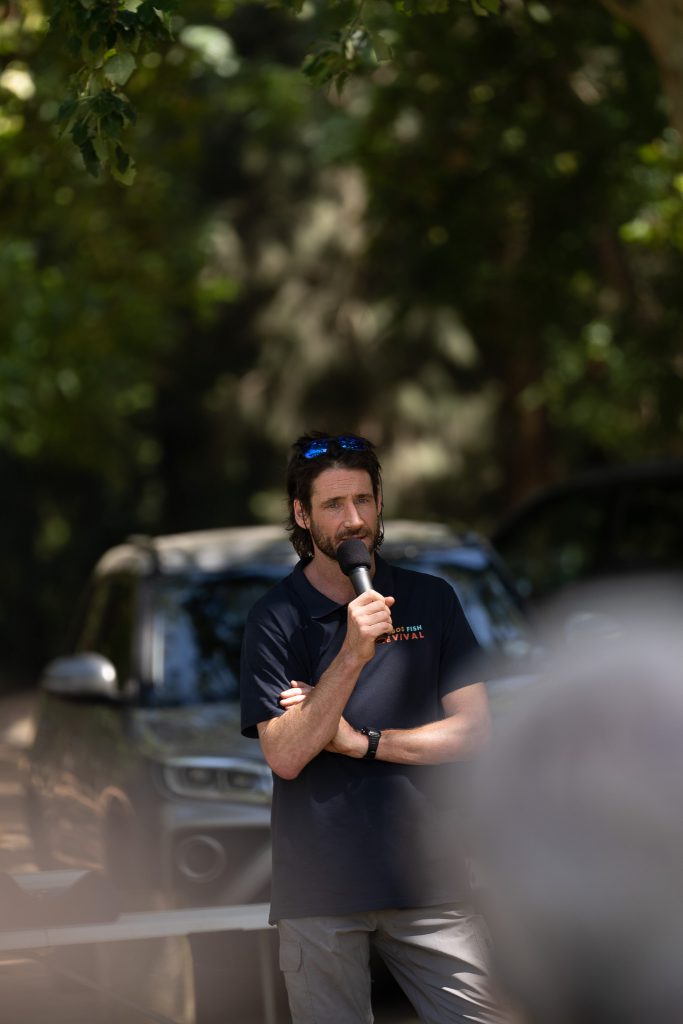
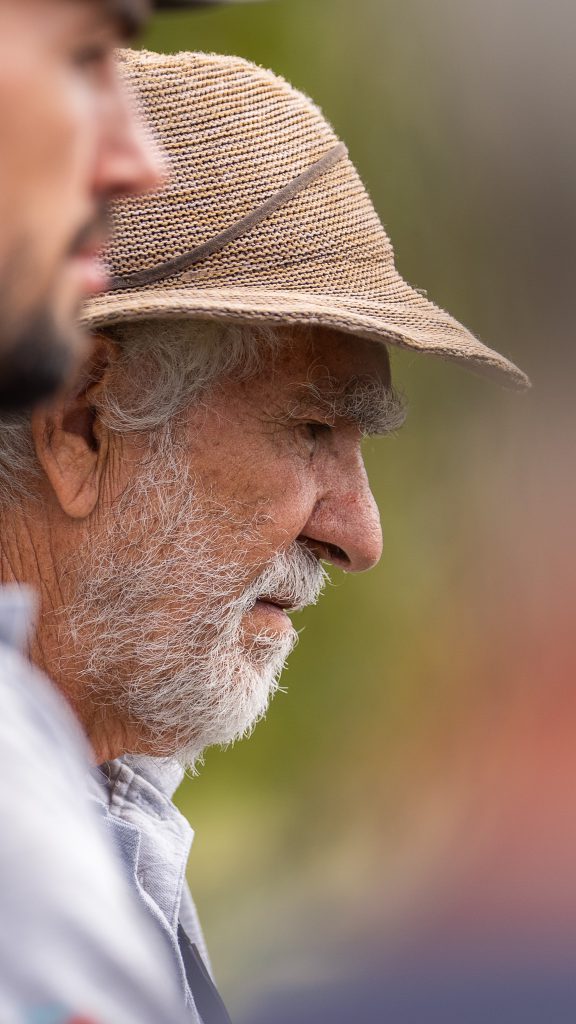
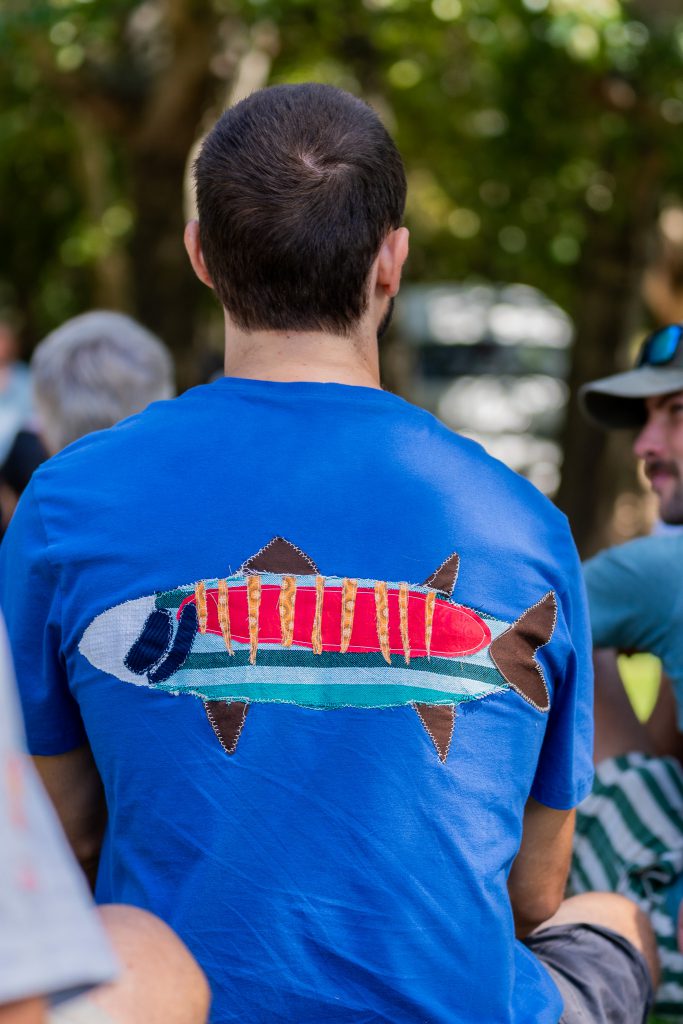
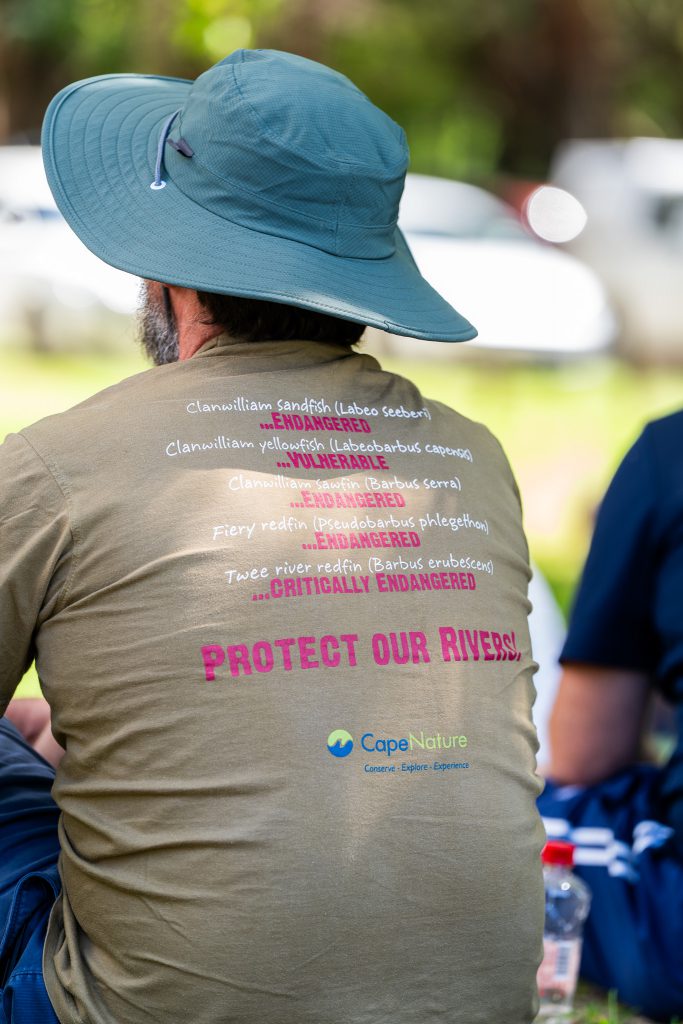
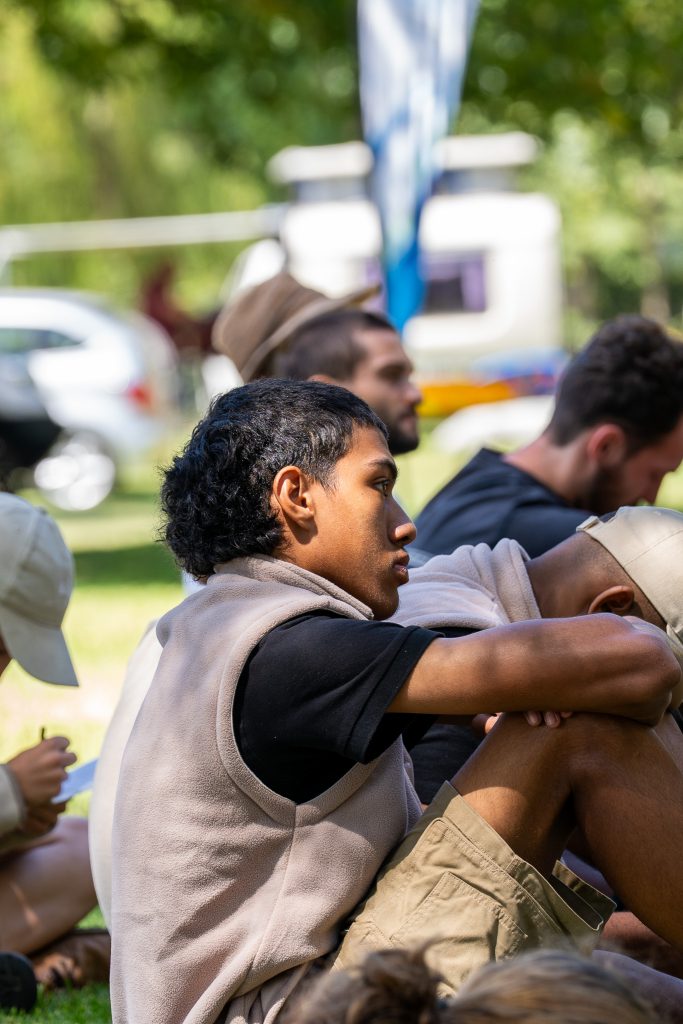
On 18 February 2026, the inaugural Witvis Fees celebrated the return of the fish to their ancestral waters. After a hands-on conservation experience for learners from local schools and insights from project partners about the long-term vision for witvis conservation, the event culminated in another witvis release of over 1800 fish.
Guests, partners and community members stood on the riverbank and participated in the moment – watching the fish disappear into the current before gathering for a celebratory lunch beneath the trees.
Conservation as a long-term commitment
For Babylonstoren, the witvis project is not an isolated initiative. It reflects a broader philosophy: that hospitality and conservation must coexist. As one of the Cape’s most visited destinations, the estate recognises its responsibility, and opportunity, to raise awareness around freshwater biodiversity.
The vision is clear: secure, self-sustaining witvis populations in the catchment, ongoing scientific monitoring, trained staff capable of supporting the work, and a public that understands why it matters.
A symbol of restoration
The return of the witvis to the Berg River is a conservation achievement, but it is also a symbol. It represents what is possible when science, government, NGOs and landowners work together with purpose.
A river sustains more than fish. It sustains landscapes, communities and futures. And now, once again, it sustains the witvis.